Why Board Games Are Worth a Spot on the Shelf
A board game is a school for rules: waiting your turn, losing, winning, negotiating, teaming up, thinking two moves ahead. It's also one of the best ways to bring a family together: plenty of childhood memories are made around a game night table.
The age printed on the box is usually reliable from good publishers (HABA, Z-Man Games, Asmodee, Days of Wonder). Some big-box games print an age that's a little optimistic, though: trust your kid's attention span more than the label.
Around 4 or 5, most kids can start to handle losing. That's the moment for simple competitive games (Memory, Candy Land, Go Fish, Hi Ho! Cherry-O). Before that, stick with cooperative games, where everyone wins or loses together.
My Top 10 Board Games for Kids
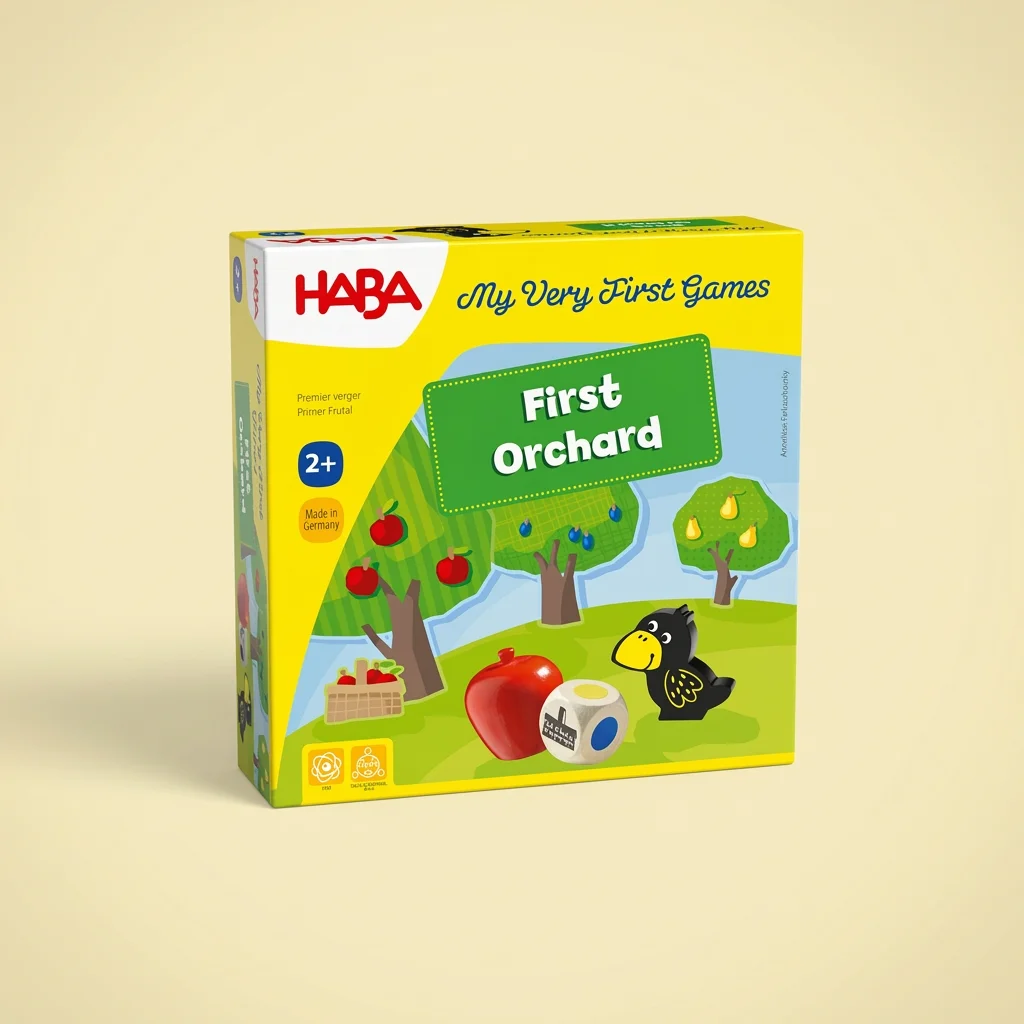
HABA My Very First Games: First Orchard
A cooperative first board game with chunky wooden fruit: roll the color die, pick the fruit and fill your baskets before the raven reaches the orchard. Colors and turn-taking, with no tears, since everyone wins or loses together.
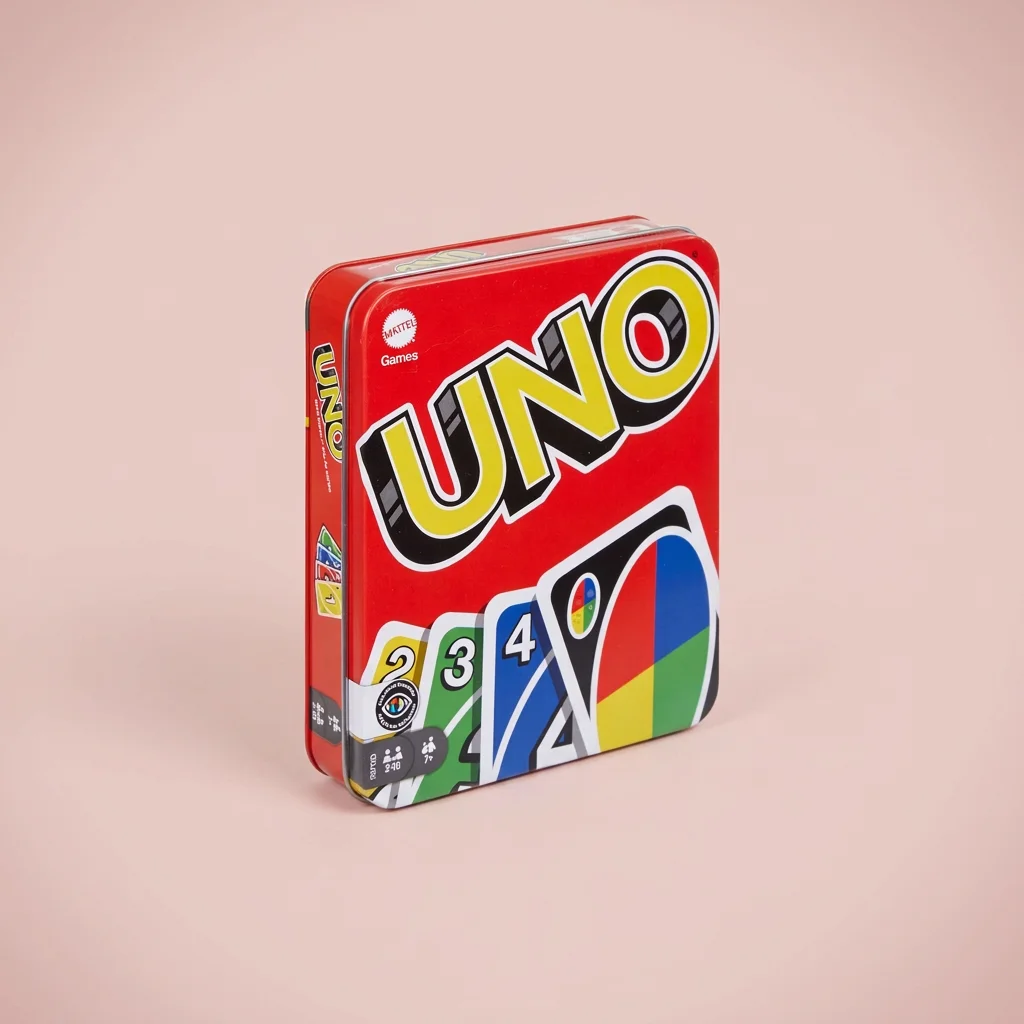
UNO Card Game
The color-and-number matching classic in a pocket-size deck. Quick thinking, counting and good sportsmanship, and it goes everywhere: road trips, Grandma's house, waiting at a restaurant.
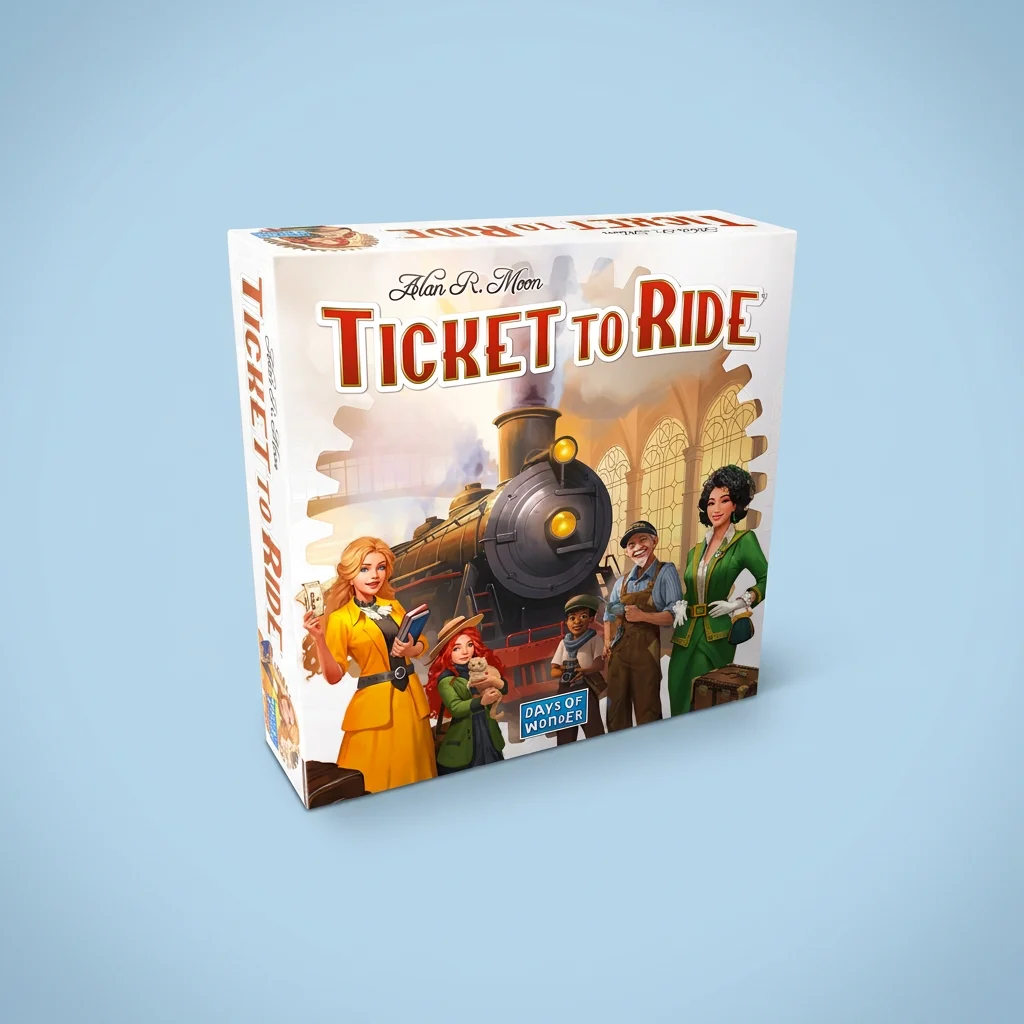
Ticket to Ride Board Game (2025 Edition)
A cross-country train race where the family claims routes across North America: planning, a little geography and plenty of "hey, that was my route!" Simple to learn, 30 to 60 minutes a game.
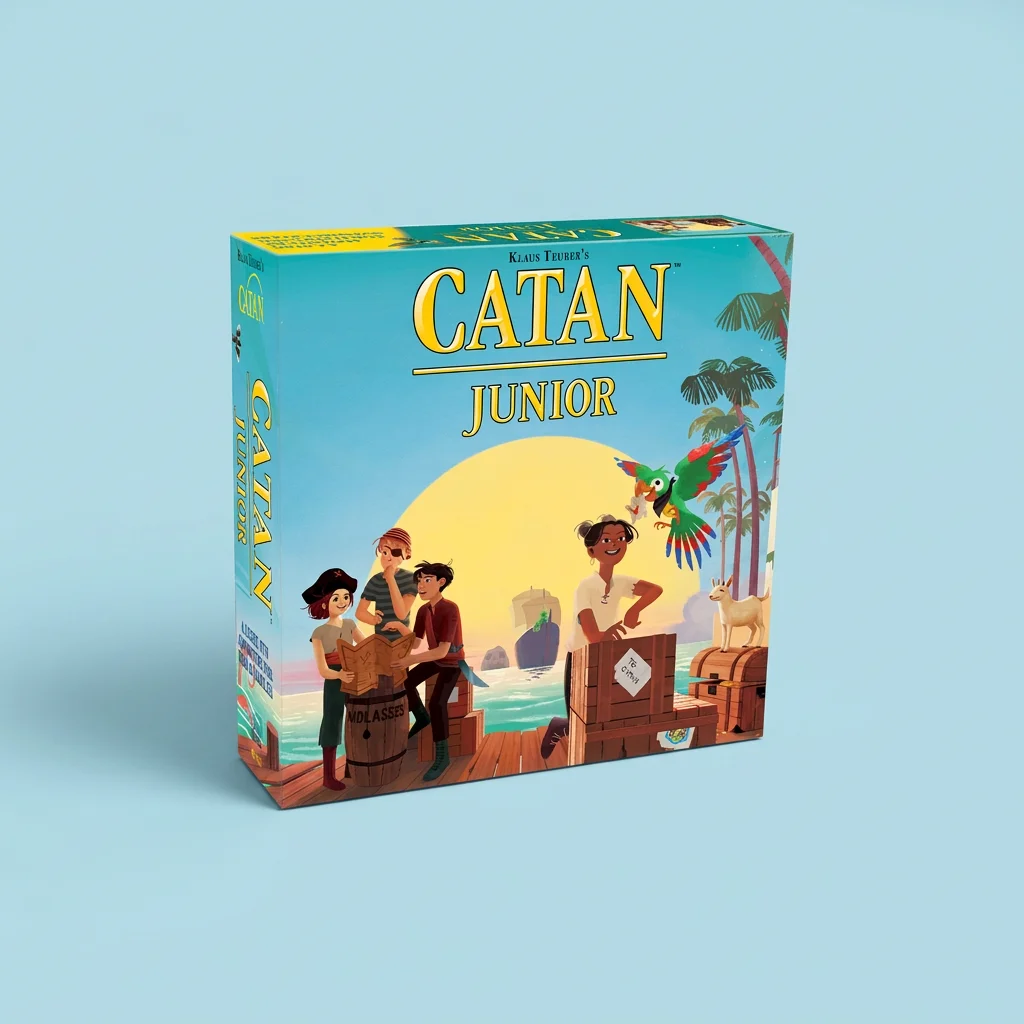
CATAN Junior
A pirate-themed first strategy game where kids trade and build, learning to plan ahead in about 30 minutes. The perfect bridge to the grown-up CATAN a few years later.

Carcassonne Board Game
A tile-laying classic (English edition by Z-Man Games) where the family builds a medieval map together, one tile at a time. Simple rules, real strategy, about 35 minutes a game.

Hi Ho! Cherry-O Board Game
The classic American fruit-picking game that sneaks in counting and turn-taking for preschoolers. Spin, pick, count: a gentle first competitive game, and a short one.

Pandemic Board Game
A cooperative strategy game where the whole family teams up to stop outbreaks around the world. Planning and teamwork instead of rivalry: great for siblings who can't stand losing to each other. 45 to 60 minutes.

Spot It! Classic Card Game
A lightning-fast matching game where any two cards share exactly one symbol. Great for focus and quick eyes, about 10 minutes a round, and the kids often beat the grown-ups.
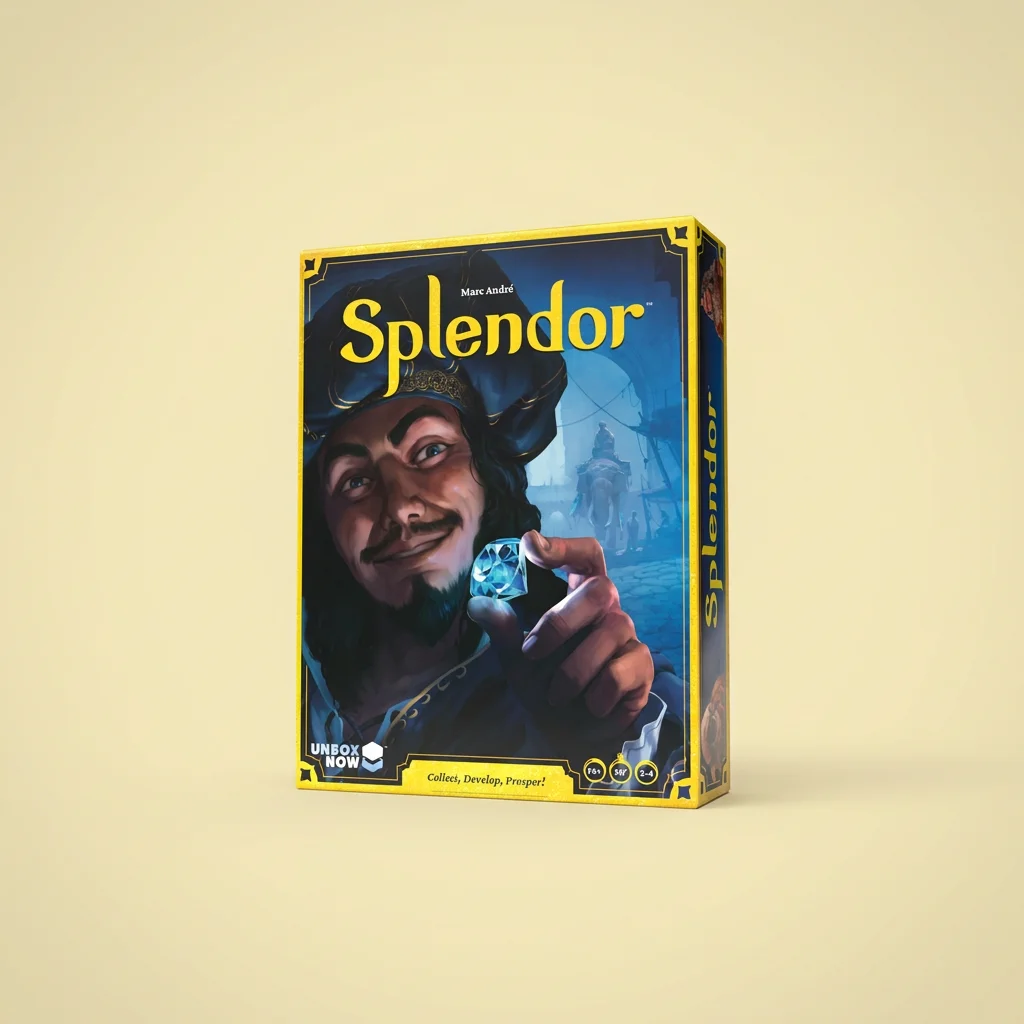
Splendor Board Game
A gem-trading strategy game with simple rules and deep choices: collect chips, buy cards, attract nobles. Games are quick, and it's a great bridge from family games to real strategy.
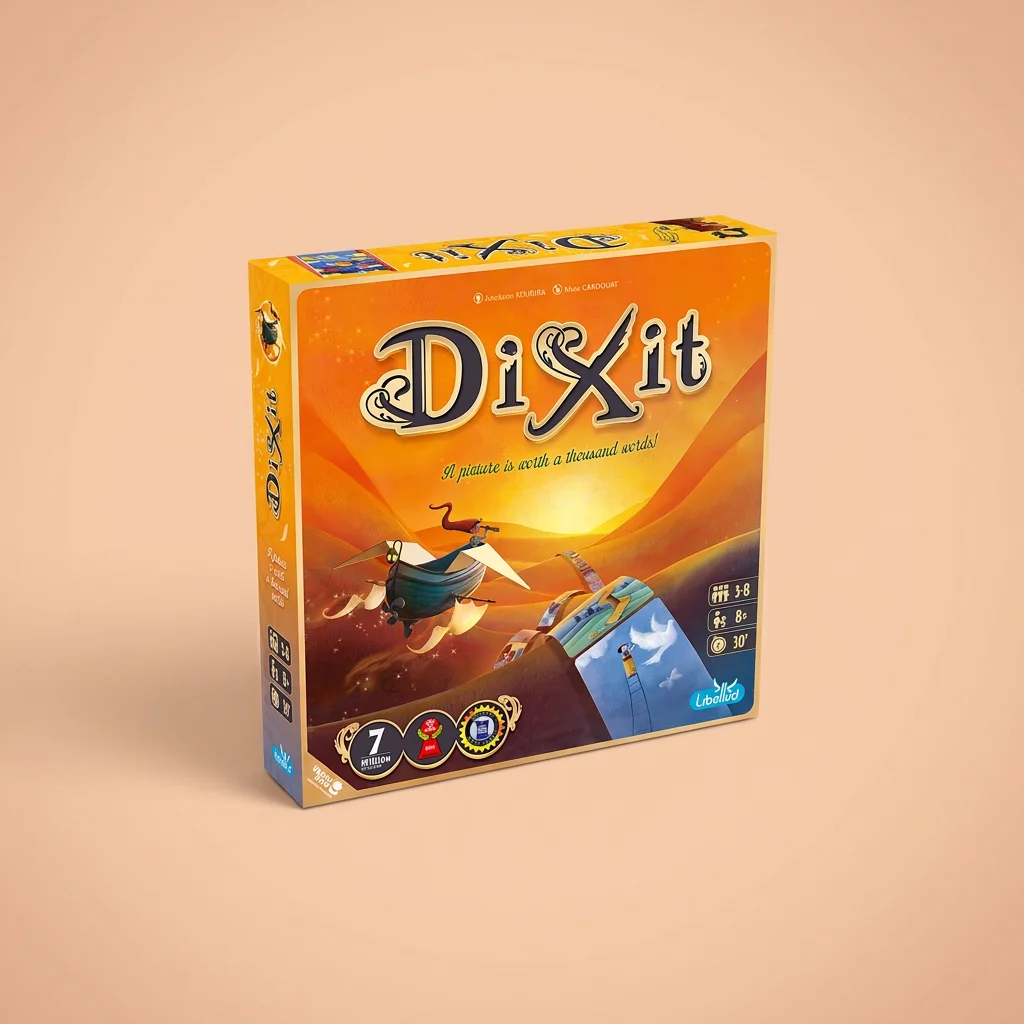
Dixit Storytelling Game
Dreamlike picture cards that get the whole family telling stories and guessing each other's ideas. A gentle boost for imagination and vocabulary, in about 30 minutes.
Board Games by Age: From First Orchard to CATAN
Ages 3 to 5: Cooperative Games and Simple Rules
Everyone wins or loses together, so your little buddy doesn't melt down. First Orchard, Peaceable Kingdom's cooperative games (Hoot Owl Hoot!, Count Your Chickens!), The Sneaky, Snacky Squirrel Game. Most games for this age carry the choking hazard warning (small parts, not for children under 3): keep pawns and dice away from babies and younger siblings.
Ages 5 to 7: Simple Competitive Games
Memory, Candy Land, Chutes and Ladders, Go Fish, Hi Ho! Cherry-O, Spot It!. Short games (10 to 20 minutes). This is the age when most kids learn to lose without the whole evening going sideways.
Ages 7 to 10: Family Games, 30 to 45 Minutes
CATAN Junior, Carcassonne, Ticket to Ride: First Journey, Kingdomino, Sushi Go!, Mille Bornes. Real strategy that stays accessible. This is the sweet spot for family game night.
Ages 10 to 12: Full Strategy Games
CATAN, Ticket to Ride, Splendor, Azul, Codenames, Dixit. Some games run an hour or more. Your kid now plays with parents and friends as an equal (and sometimes wins fair and square).
Cooperative or Competitive Board Games?
Cooperative
Best for: young kids (3 to 5), siblings with a big age gap, evenings when tempers are short, learning how rules work. Examples: First Orchard, Hoot Owl Hoot!, Pandemic, Forbidden Island.
Competitive
Best for: kids 5 and up who can handle losing, high-energy moments, building strategy, regular rematches. Examples: UNO, Mille Bornes, CATAN, Carcassonne.
Mix both on your game shelf: 1 cooperative game for calm evenings, 1 quick competitive game for birthday parties and playdates, 1 longer strategy game for rainy weekends and snow days. Three well-chosen games cover most of family life.
FAQ: Board Games for Kids Ages 3 to 12
My child cries when they lose. Should we stop playing?
No, keep playing, but switch to cooperative games. Competitive games will come at their own pace, often around 5 or 6, sometimes later. Forcing it doesn't help and takes the fun out of it.
How many board games do we need at home?
5 to 10 well-chosen games beat 30 games that never leave the closet. Aim for 1 cooperative family game, 1 quick after-school game, 1 strategy game for game night, 1 game for two players, and 2 or 3 party games for big gatherings like Thanksgiving.
What's a good board game for a 5-year-old and a 10-year-old together?
Go for games where speed or imagination matter more than reading: Spot It!, UNO and Dixit work well across ages. Cooperative games like Pandemic also let the older one help the younger one instead of crushing them.
Can video games replace board games?
No. A board game around a table works skills a screen doesn't: eye contact, talking things through, reading body language, sharing the pace of the game. It's a whole social school happening right there at the table.