Child Development from 6 to 12: Independence and Challenges
The age of passions and ambitious projects. Your child wants to solve, build, experiment. They can handle frustration and stick with long projects (a 1,000-piece LEGO set, a 50-experiment chemistry kit). It's also when specializing begins: some kids dive into sports, others into science, others into the arts.
Three focus areas: brain challenges (science, strategy, model building), physical independence (a bike without training wheels, a 2-wheel scooter, team sports) and social skills (more complex board games, teamwork).
Around 8 to 10, your child can follow a full scientific process: make a guess, test it, look at the results, draw a conclusion. Real science kits (National Geographic, Thames & Kosmos, Snap Circuits) become fascinating, and often last 2 or 3 years.
Top 10 Toys for Ages 6 to 12: My Picks

Snap Circuits Green Energy Kit (125+ Projects)
The kit I tested: 2 months in the hands of a 9-year-old, in figure-it-out-yourself mode. Snap-together circuits powered by a solar cell and a hand crank. No soldering, no screen.

LEGO Technic Off-Road Race Buggy 42164
A pull-back Technic buggy with working steering and suspension: a first taste of real mechanical building, and a great door into the Technic line.
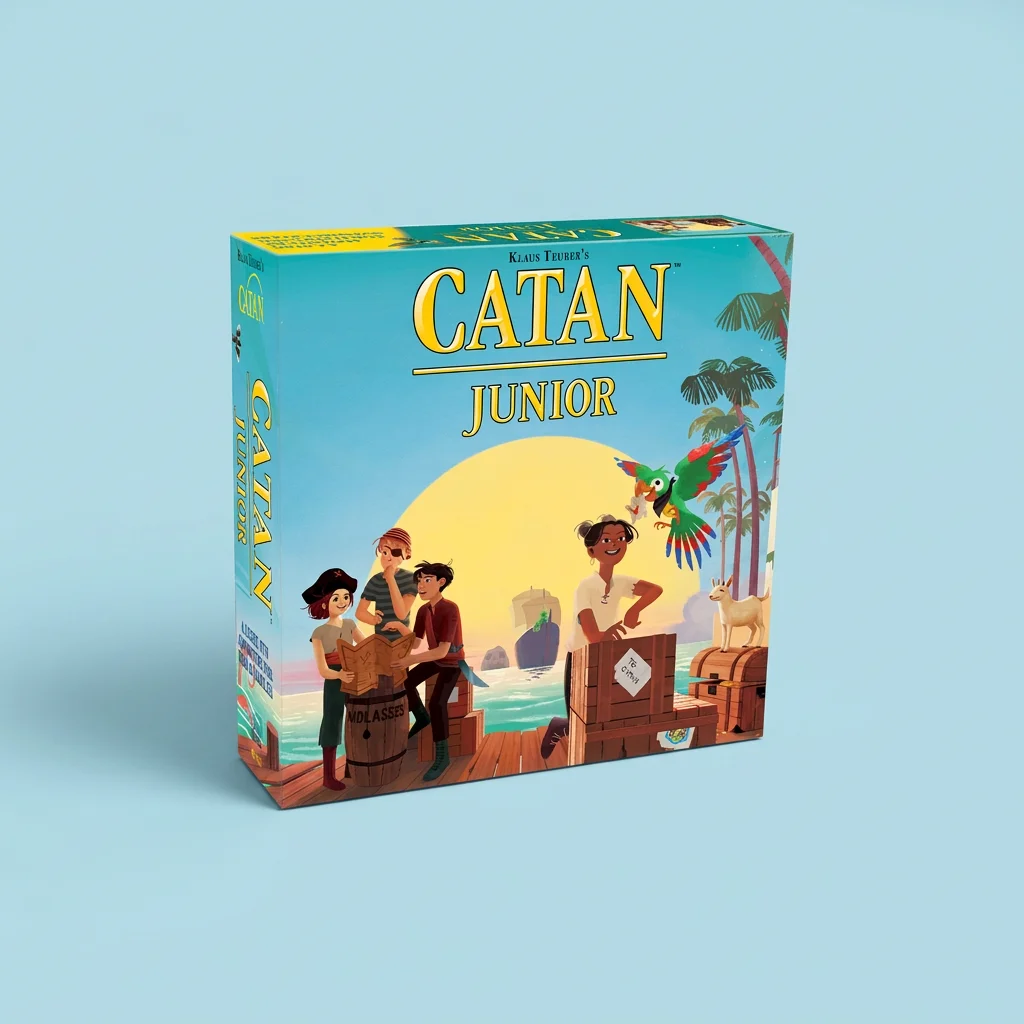
CATAN Junior
A pirate-themed first strategy game where kids trade and build, learning to plan ahead in about 30 minutes. The perfect bridge to the grown-up CATAN.

Carcassonne Board Game
A tile-laying classic where the family builds a medieval map together. Simple rules, real strategy, 2 to 5 players and about 35 minutes a game.

National Geographic Amazing Chemistry Set
100+ colorful experiments with clear steps that turn kitchen-table science into real chemistry discoveries. Enough in one box to last well past the first weekend.

National Geographic Microscope for Kids
A sturdy beginner microscope with up to 400x magnification and prepared slides: the hidden world inside a leaf or a drop of pond water.

SmartGames IQ Puzzler Pro
120 travel-friendly 2D and 3D challenges, from easy to expert, that build logic and spatial reasoning. It fits in a backpack for road trips and waiting rooms.

Newlam Kalimba Thumb Piano (17 Keys)
A pocket-size thumb piano that sounds sweet from the very first try. An easy way into melody and rhythm, for the kid who wants to make music without lessons first.

Makeblock mBot2 Coding Robot
A programmable robot that grows from drag-and-drop Scratch to real Python: the serious next step for kids who've caught the coding bug.
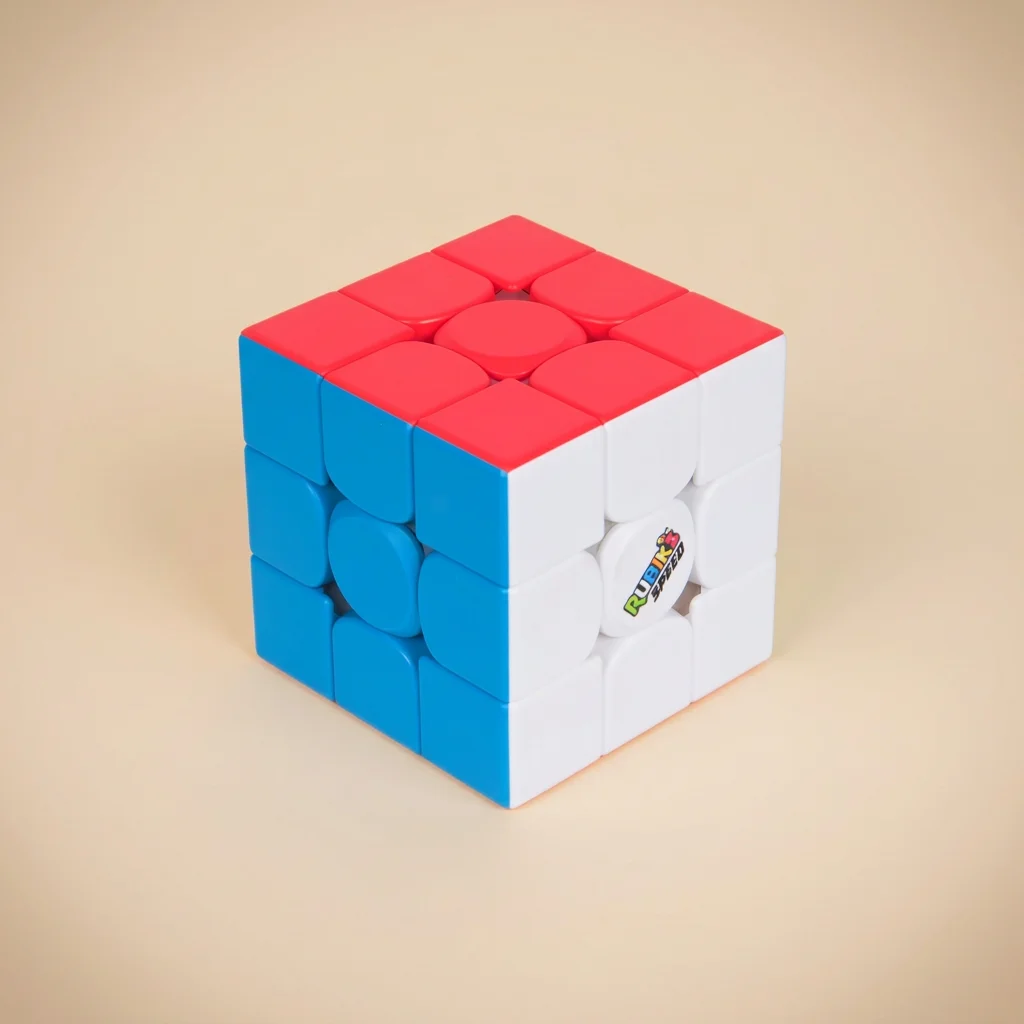
Rubik's 3x3 Magnetic Speed Cube
The official speed cube, with magnets for smooth, fast turns. A classic brain teaser that builds patience and spatial logic, with a whole speedcubing community behind it.
Science and STEM Toys for Ages 6 to 12: What's Worth It
Three brands I like for real, hands-on experiments:
- National Geographic: chemistry sets, microscopes, crystal and rock kits. Clear instructions, a great place to start.
- Thames & Kosmos: detailed manuals and a huge range, from first chemistry labs to robotics, for ages 8 to 12 and beyond.
- Snap Circuits (by Elenco): electronics with no soldering, from a starter kit you can expand to hundreds of projects. A long-term investment. I tested the Green Energy kit for 2 months: read my Snap Circuits review.
Coding robots: the Sphero Mini (paid link) is the simplest start (8+, you'll need a phone or tablet), the mBot2 from my top 10 is more technical (8+, all the way to Python), and for younger kids the Botley 2.0 Coding Robot Activity Set (paid link) teaches coding without a screen (ages 5 and up). LEGO BOOST, which I tested for 6 months, was retired by LEGO in 2022: my LEGO BOOST review explains what to look at instead.
Board Games and Strategy Games for Ages 6 to 12
Family Games, 30 to 45 Minutes
- CATAN Junior, Carcassonne, Splendor (10+)
- 7 Wonders Architects (8+, very easy to learn)
- Azul (8+, a beautiful abstract game)
More Challenging, 60 Minutes and Up
- CATAN, the original (10+)
- Ticket to Ride (8+)
- 7 Wonders Duel (10+, for 2 players)
Tip: start with cooperative games (Pandemic (paid link), Forbidden Island) so kids learn to lose together before they compete.
Sports and Outdoor Toys for Ages 6 to 12
- Bike: about 16 in around 6, 20 in from about 7 to 10, 24 in around 11 or 12 (go by inseam, not age)
- 2-wheel kick scooter: Micro Kickboard, Razor (look for ABEC-7 bearings or better for a smooth ride)
- Skateboard: from about 7 or 8, with a helmet and pads every time
- Inline or roller skates: adjustable models that grow through 3 or 4 shoe sizes
- Soccer ball: the right size for their age (size 3 up to about 8, size 4 from 8 to 12, size 5 after that)
Limiting Screen Time from 6 to 12: My Practical Benchmarks
At this age, the tablet or video game console isn't an IF question anymore, it's a WHEN and HOW question. A few common-sense benchmarks (mine, not an official rule):
- Ages 6 to 8: about 1 hour of screens a day, with creative content (Toca Boca, Minecraft Education)
- Ages 9 to 11: up to about 1.5 hours, with first story-driven games (Stardew Valley, Animal Crossing)
- Ages 11 to 12: the smartphone question comes up (many U.S. families sign the “Wait Until 8th” pledge and hold off until 8th grade)
The American Academy of Pediatrics suggests making a Family Media Plan together: when, where and what. And real, hands-on toys stay essential at this age: LEGO, board games, a musical instrument, sports. Screens should NEVER replace them.
Toys for Ages 6 to 12: FAQ
What should I get a 7-year-old?
A LEGO set with 300 to 500 pieces, a science kit, board games (CATAN Junior, Carcassonne), a 2-wheel scooter, a first kids' camera. Skip toys that feel “too little kid”: they'll be shelved in 2 weeks. My full lists: gifts for a 7-year-old girl and gifts for a 7-year-old boy.
What's a good toy for a 10-year-old who loves science?
A chemistry kit (National Geographic, Thames & Kosmos), a 40x to 400x microscope, a beginner telescope, a coding robot (mBot2, Sphero), a Snap Circuits electronics kit. Aim for a kit with at least 20 different experiments. More ideas in my best gifts for 10-year-olds.
At what age should kids get a phone?
Many families and pediatric voices point to 13 or later for a smartphone, and 11 or 12 for a basic phone with no internet (for emergencies). At 10, a kids' smartwatch with GPS and calls or texts limited to family contacts is often a better fit.
How do I keep real toys in the picture next to screens?
Three levers: play together (family board game nights), invest in quality (a good LEGO set lasts 3 years, a free app gets boring in a week) and set screen rules from the start (set times, no screens in the bedroom).