Why Music Belongs in Every Toy Box
Music is the most universal category, and the one that touches everything else: it goes with your child from birth to 12, crosses every culture, and works on language, memory, movement and emotions all at once.
You don't need to be a musician yourself. Your job: listen together, sing (even off-key), clap along. That's plenty to open your child's ears.
Around 18 to 24 months, kids can tap along to a beat. Around 3 or 4, they sing whole nursery rhymes. Around 5 or 6, they can start a simple instrument (ukulele, a tuned xylophone). Around 7 or 8, they're ready for real lessons.
My Top Musical Toys and First Instruments

Newlam Kalimba Thumb Piano (17 Keys)
A pocket-size thumb piano that sounds sweet from the very first try: no wrong notes, just a calm, pretty melody. An easy way into melody and rhythm, and grown-ups borrow it too.
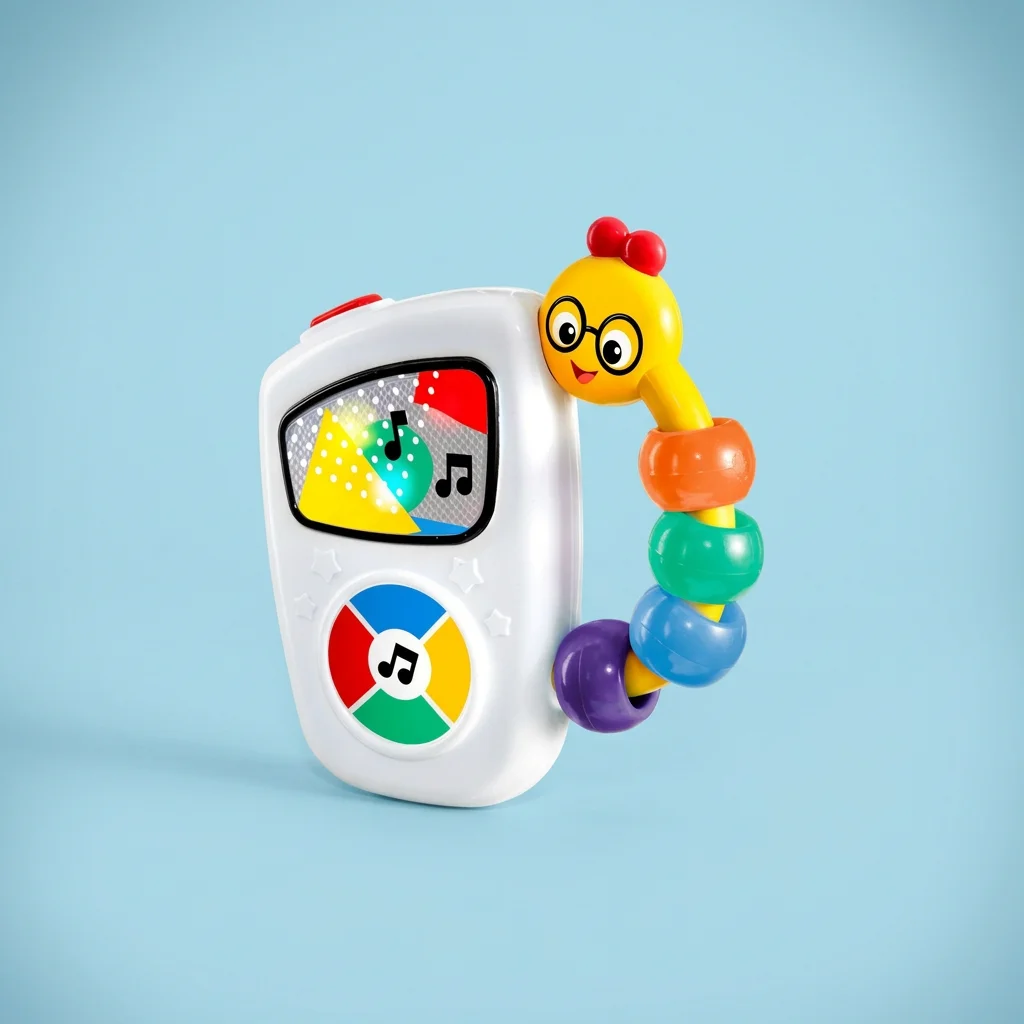
Baby Einstein Take Along Tunes Musical Toy
A palm-size music toy with classical tunes and soft lights that babies learn to switch on all by themselves. Cause and effect in one big button, and it fits in the diaper bag.
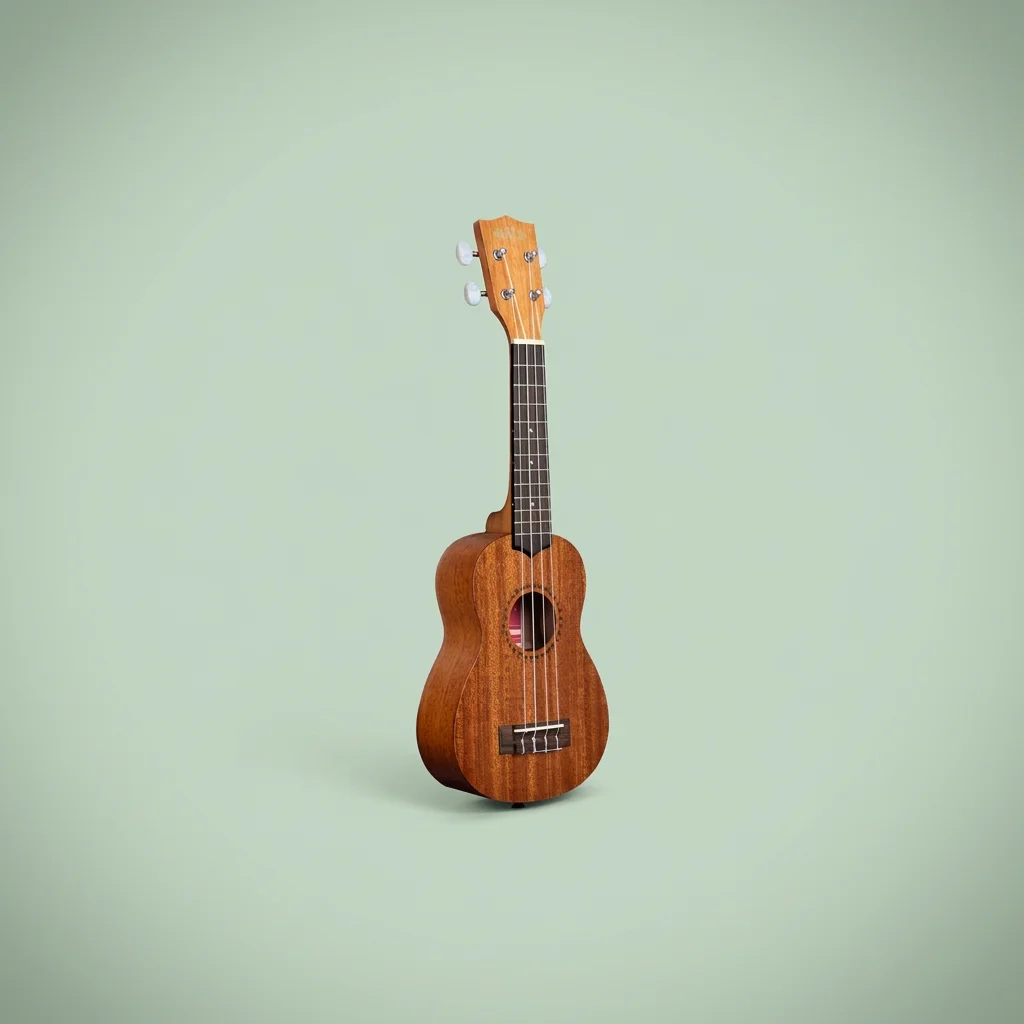
Kala KA-15S Mahogany Soprano Ukulele
A real soprano ukulele with a warm sound, small enough for kids' hands. Four strings, a few easy chords, and your kiddo can strum along to simple songs surprisingly fast. Kala is the go-to beginner brand.
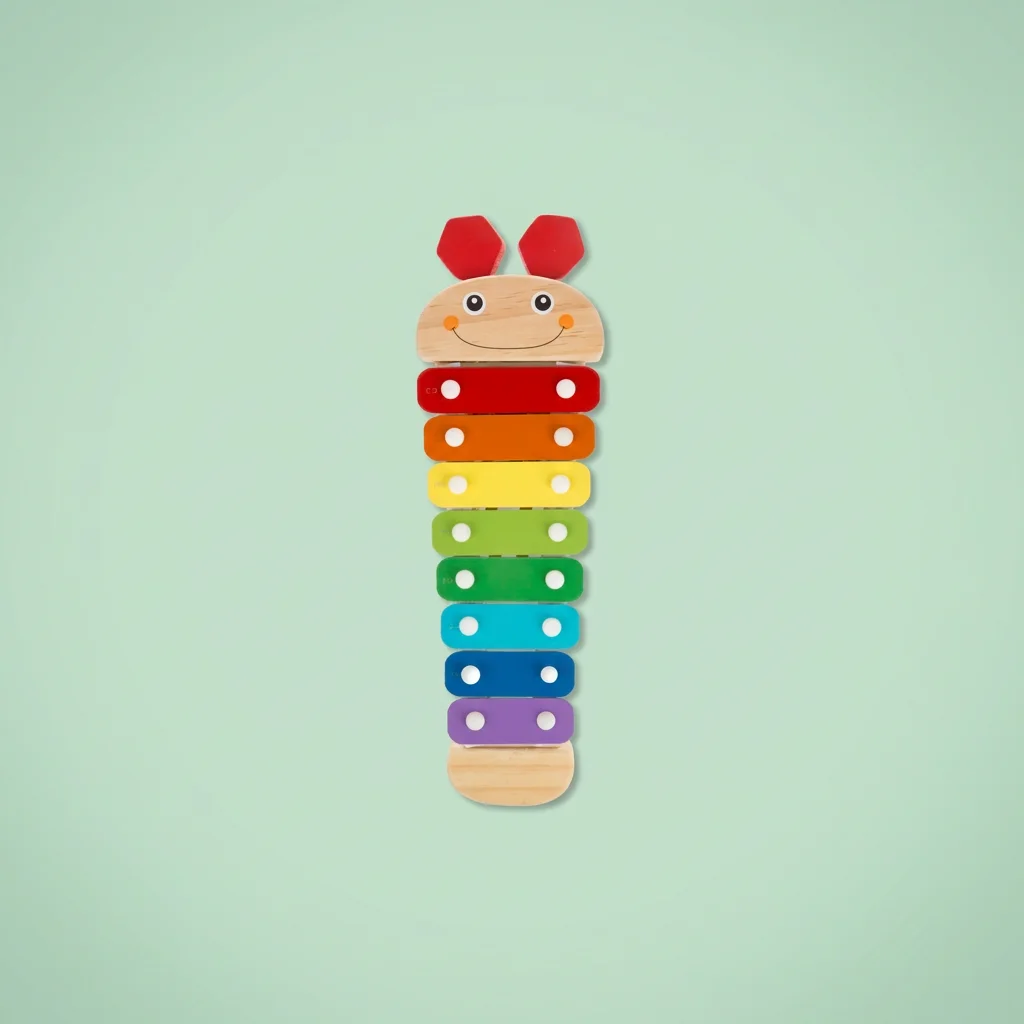
Melissa & Doug Caterpillar Wooden Xylophone
A cheerful wooden xylophone with color-coded keys that lets kids tap out their first tunes and rhythms. A friendly first melodic instrument for the preschool years.

Lehoo Castle Wooden Musical Instruments Set
A toddler band in a box (drum, shakers, xylophone and more) that lets little ones explore rhythm and sound. Wood, no batteries, and plenty to share with a sibling or a parent.
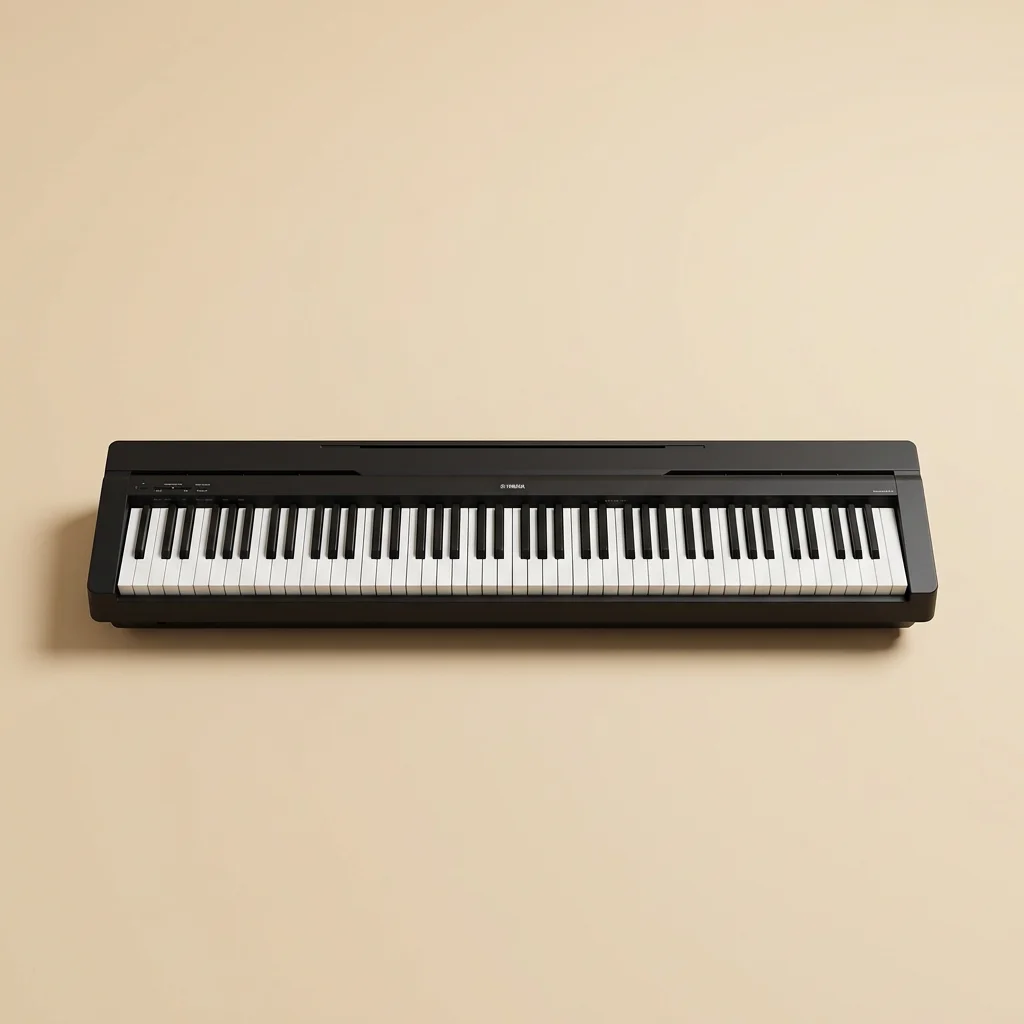
Yamaha P45 88-Key Weighted Digital Piano
Full-size weighted keys that feel like a real piano, so lessons at home build the right touch from the start. A sustain foot switch is included, and headphones make evening practice peaceful for everyone.

TDOCK Rainmaker Rain Stick (2-Pack)
Tip it over and hear the rain: a calming sensory instrument that teaches cause and effect and gentle listening. Two in the pack, so nobody has to wait their turn.
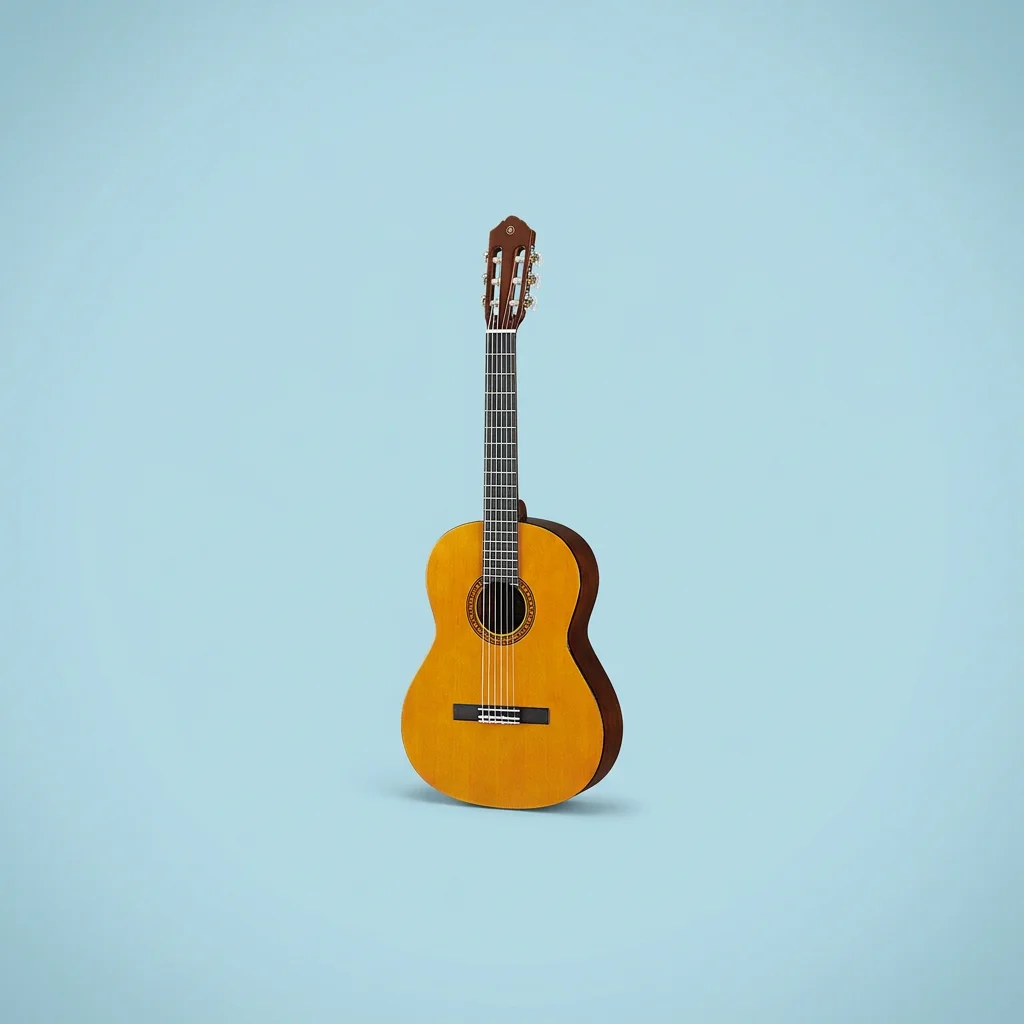
Yamaha CGS103AII 3/4-Size Classical Guitar
A real 3/4-size nylon-string guitar that's gentle on small fingers. Yamaha's student model: a proper first instrument for kids 7 to 12.
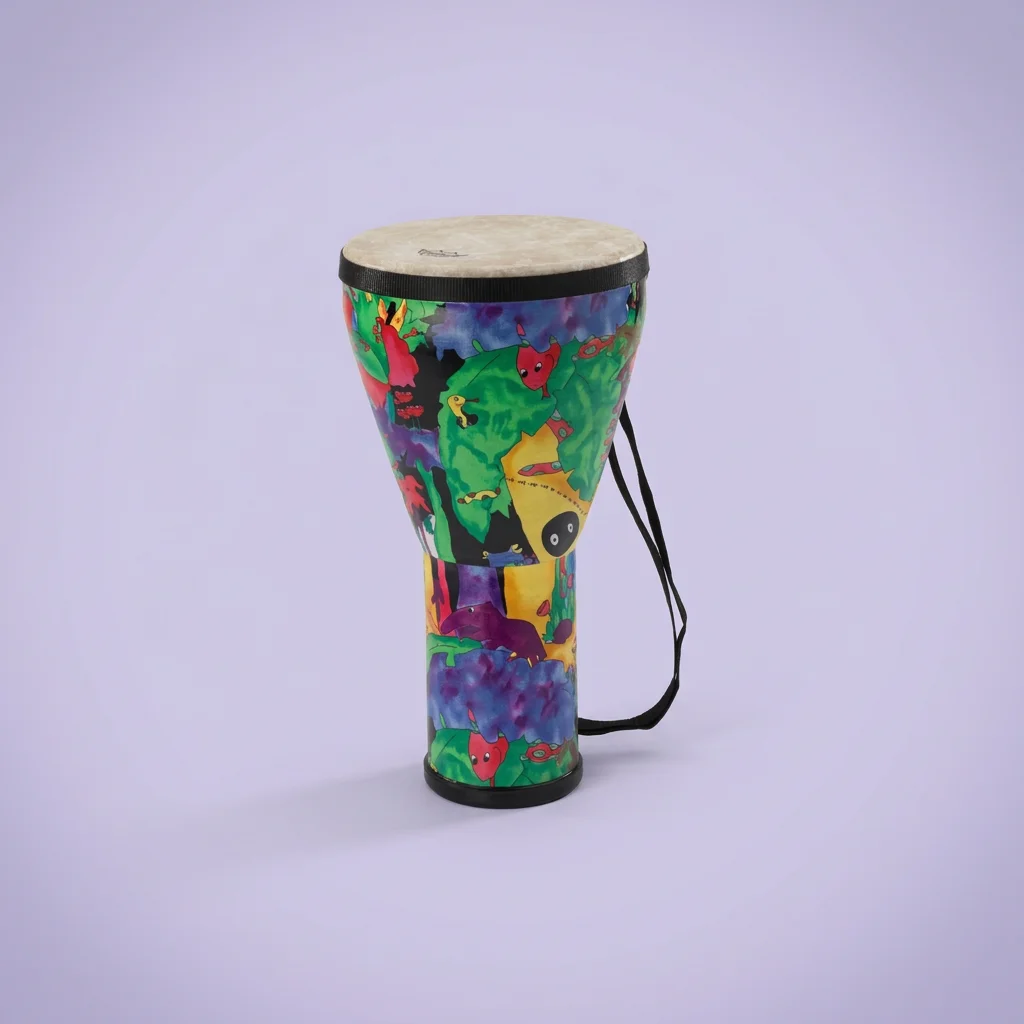
Remo Kids Percussion 8 in Djembe (Rain Forest)
A kid-size hand drum with a durable synthetic head, from a well-known drum maker. Kids feel the rhythm with their hands and play along to music, with a real drum sound instead of a plastic clack.
Musical Toys by Age: From Rattles to a Kids' Ukulele
0 to 12 Months: Listening and Your Voice
Lullabies and songs with hand motions ("Itsy Bitsy Spider," "Pat-a-Cake," "Twinkle, Twinkle, Little Star"). A music box, a musical mobile, a palm-size music toy. Your voice is still your little buddy's favorite instrument at this age.
12 to 24 Months: Simple Percussion
Egg shakers, maracas, a tambourine, jingle bells, a rain stick. Your toddler taps, shakes and listens. Wooden versions from Hape, Melissa & Doug or PlanToys sound much better than shrill plastic.
2 to 4 Years: Rhythm and Movement
Tambourine, rhythm sticks, triangle, maracas. Group music classes for little ones (Music Together, Kindermusik or your library's music time) are a real treat at this age. Try singing in two voices (you and your child) and songs with trickier hand motions.
4 to 7 Years: A First Melodic Instrument
A tuned xylophone (8 notes, C to C), a glockenspiel, a kalimba. Your child plays their first real melodies. Around 6: the ukulele (4 strings, simple chords).
7 to 12 Years: A Real Instrument
Piano, guitar, an electronic drum kit with headphones (for family peace), violin (with a teacher). Many US schools start band or orchestra around 4th or 5th grade, a great moment to try a real instrument. Ideally, your child picks theirs after trying 2 or 3.
Musical Toys I Skip: Gimmicky Keyboards and Noise Makers
- Kids' electronic keyboards with shrill, artificial sounds (they do young ears no favors)
- Bargain xylophones that are out of tune (your child learns wrong notes)
- Giant plastic drums with a tinny sound (a real kid-size hand drum is far better)
- Toy ukuleles that won't stay in tune (a real beginner ukulele changes everything)
With music, the "real instrument" rule beats the "kid version" rule. A real soprano ukulele is better than a toy one, even if it costs a bit more. In-tune sounds train the ear; out-of-tune sounds confuse it.
FAQ: Musical Toys and Music for Kids
At what age should a child start music lessons?
Around 7 or 8 on average for real weekly lessons (piano, violin, guitar). Before that: free musical play, percussion and singing. The Suzuki method (violin, piano) starts as early as 3 or 4, with a very involved parent.
My child can't carry a tune. Is that a lost cause?
No, an ear for music can be trained. Singing in tune is a skill that grows with practice and regular exposure, often well into the grade-school years. The one real obstacle: NEVER tell your kid "you sing off-key." That sticks for years.
Is a digital piano as good as an acoustic piano?
For a beginner aged 7 to 12, yes: look for an 88-key digital piano with weighted (hammer-action) keys, like Yamaha's P series or Casio's Privia line. It feels close enough to the real thing, works with headphones for evening practice and takes up little space. An acoustic piano can come later if your child sticks with it for a few years.