What STEM Toys Are (and Why They're Worth It)
STEM stands for Science, Technology, Engineering and Math (you'll also see STEAM, with an A for the arts). It's the category that feeds curiosity, hands-on experimenting and careful thinking. From about 6 or 7, kids can follow a real process: make a guess, test it, watch what happens, draw a conclusion.
Good science kits last 2 to 4 years and get played with again and again. They're also a great counterweight to screens: "physical" science (chemistry, electronics, optics) stays fascinating long after a new app has lost its shine.
Before age 7, keep it to simple discovery tools (magnifying glass, kids' binoculars, a first microscope, a screen-free coding robot). Real chemistry and electronics kits start around 8. App-controlled robots work from about 7 or 8.
My Top 10 STEM Toys for Kids

Snap Circuits Green Energy Kit (125+ Projects)
The kit I tested (read my review): snap-together circuits powered by a solar cell and a hand crank. No soldering, 125+ projects, and a hands-on way to learn electricity and clean energy.

National Geographic Amazing Chemistry Set
100+ colorful experiments with clear steps that turn kitchen-table science into real chemistry discoveries. With that many experiments in one box, it lasts well past the first weekend.

Snap Circuits Explorer SC-100 (100+ Projects)
The classic Snap Circuits starter set: color-coded snap-together parts to build working circuits, alarms and lights while learning how electricity works. 100+ projects, no soldering, and add-on sets when they want more.

National Geographic Microscope for Kids
A sturdy beginner microscope with up to 400x magnification and prepared slides, so young scientists can see the hidden world in a leaf or a drop of pond water.
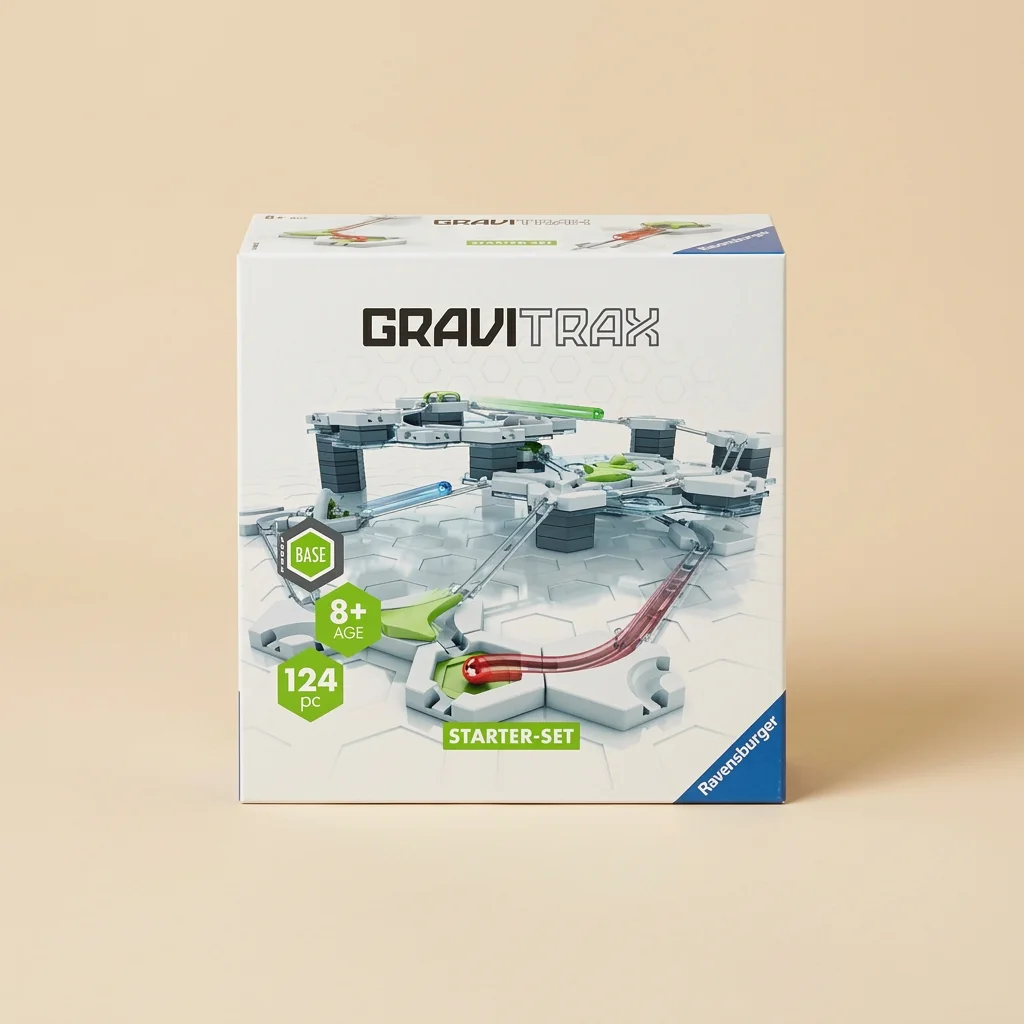
Ravensburger GraviTrax Starter Set
A modular marble run that teaches gravity, momentum and magnetism as kids design tracks that actually work. Engineering by trial and error, and add-on sets keep it growing for years.

Learning Resources Botley 2.0 Coding Robot Activity Set
A screen-free coding robot plus obstacles and coding cards: young kids plan a route with the remote, test it and fix it by trial and error. Coding logic before they can even read well.
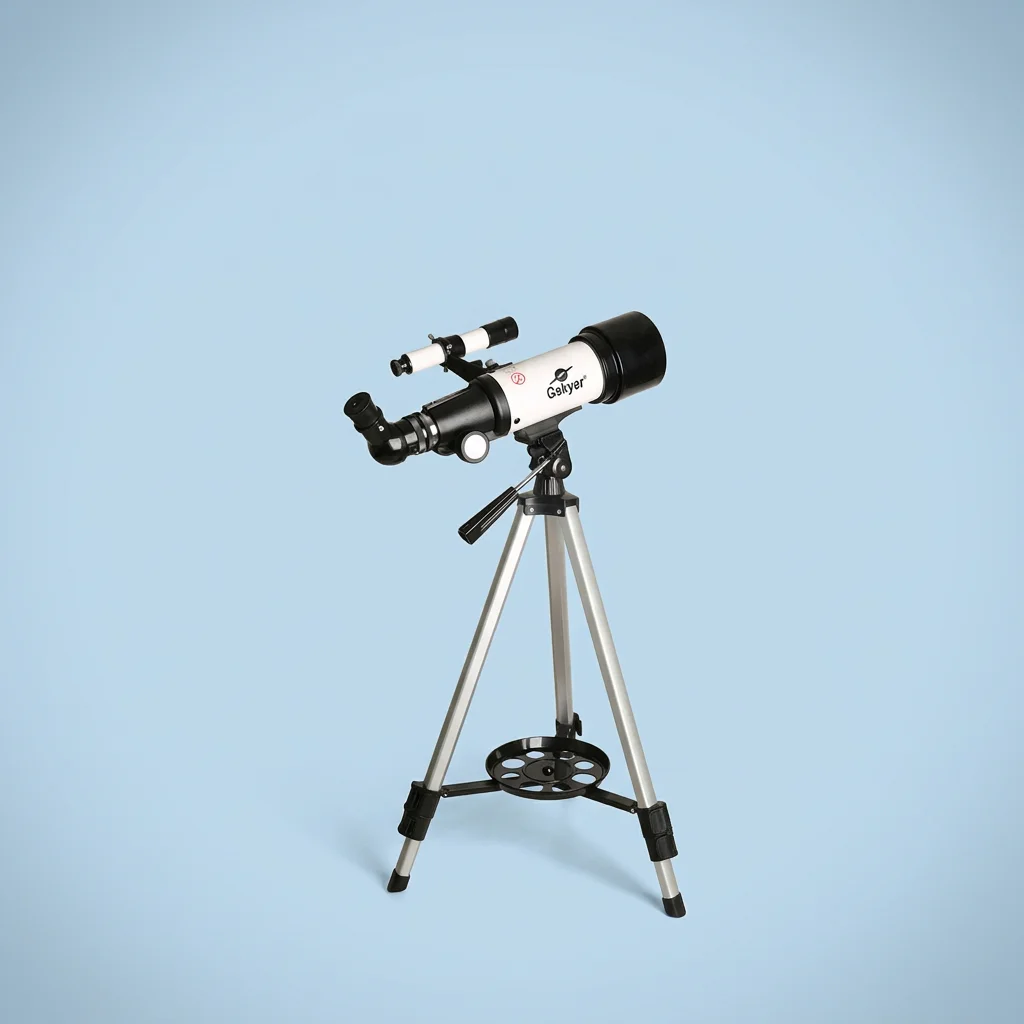
Gskyer 70mm Refractor Telescope
A real refractor telescope on a tripod that brings the Moon's craters within reach of young astronomers. A phone adapter is included, so your kiddo can snap the Moon too. Plan to help with the setup the first few nights.
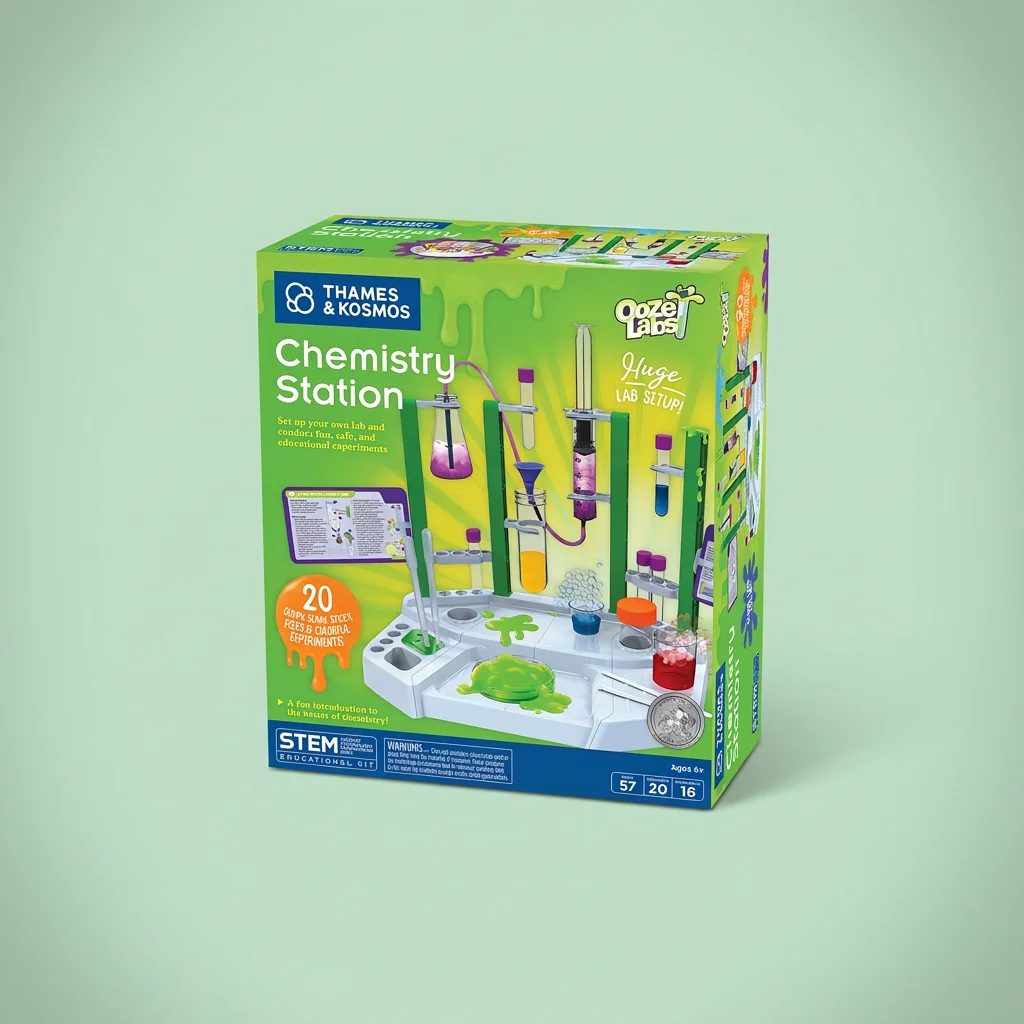
Thames & Kosmos Ooze Labs Chemistry Station
A starter chemistry lab with test tubes, beakers and colorful reactions that teaches younger kids to follow steps like real scientists. A great first kit before the bigger chemistry sets.

Sphero Mini Soccer Coding Robot Ball
A tiny app-controlled robot ball that kids drive first and program next. A fun, low-pressure first step into coding (you'll need a phone or tablet).

Makeblock mBot2 Coding Robot
A programmable robot that grows from drag-and-drop Scratch to real Python: the serious next step for kids who've caught the coding bug, and it keeps up all the way to middle school.
What Makes a Real STEM Toy?
A STEM toy makes your child experiment: they watch, make a guess, test it, get it wrong and try again. A chemistry set, a circuit kit to build, a robot to program or a microscope all count. A toy that "lights up all by itself" when you press a button doesn't, even if the box says "educational."
My simple test for a good STEM kit: at the end, can your little buddy explain why it works? If so, you nailed it.
Science Kits and STEM Toys: Which One at Which Age?
The classic trap is the kit that's too advanced, given too early: your kid gets lost, the parent ends up doing everything, and the box disappears into the closet. Here's my rule of thumb by age:
| Age (grade) | What works | Example kits |
|---|---|---|
| 4 to 6 (Pre-K to K) | Watching, sorting, screen-free coding | Magnifying glasses and bug catchers, magnets, screen-free coding robots (Botley, Code & Go Robot Mouse) |
| 6 to 8 (1st to 2nd grade) | First guided experiments, with an adult | First microscope, crystal-growing kit, starter chemistry set, marble run |
| 8 to 10 (3rd to 4th grade) | Building alone from step-by-step guides | Snap Circuits, National Geographic chemistry set, microscope with slides, GraviTrax |
| 10 to 12 (5th to 6th grade) | Long projects, real coding | Programmable robot (mBot2), 40x to 400x microscope, a first telescope, advanced electronics |
For a specific gift, I cover several of these kits on the blog: my Snap Circuits Green Energy review (screen-free electronics, tested with a 9-year-old), my top 10 Christmas toys for ages 6 to 12 (microscope, chemistry set, coding robot) and my top 10 gifts for a 7-year-old boy (Botley, Snap Circuits, a marble run).
Must-Have STEM Toys: Chemistry, Electronics, Robotics, Microscopes
Chemistry and Experiments
National Geographic, Thames & Kosmos and 4M make kits with dozens of experiments and kid-safe materials, and some sell refills so the fun keeps going. Start with a starter set around 6, move to a full chemistry set around 8.
Electronics
Snap Circuits (by Elenco): snap-together parts, no soldering, and add-on sets that take you to hundreds of projects. The Explorer SC-100 is the classic starter; the Green Energy kit (the one I tested) adds a solar cell and a hand crank. Either way, it's an investment that lasts several years.
Robotics and Coding
Sphero Mini (8 and up, the simplest), Makeblock mBot2 (8 and up, from Scratch to Python). LEGO BOOST, long a favorite, was retired by LEGO in 2022: if you find one secondhand or from a third-party seller, check that the app still runs on your tablet, or look at LEGO Education SPIKE Essential for a current alternative (all the details in my 6-month LEGO BOOST review). For younger kids: Botley or the Code & Go Robot Mouse, both screen-free.
Microscopes
A first microscope from about 6 or 7 (40x to 100x is plenty). A real student microscope from about 10 (40x to 400x). Kits with prepared slides make the first sessions easy.
Astronomy
A beginner refractor telescope (70 to 90 mm) from about 8 to 10, with an adult for the first few nights. Before that: star charts, 7x35 binoculars and an illustrated sky atlas. The free Stellarium app makes a great sidekick for backyard stargazing.
Engineering and Build Boxes
Marble runs like GraviTrax, wooden planks and gears teach engineering by trial and error. If you'd rather not choose every time, monthly build boxes like KiwiCo or CrunchLabs (Mark Rober's) mail a new project to your door.
STEM Toys I Skip: One-Shot Kits and Fake Science
- So-called "science kits" marketed to 4-year-olds (real chemistry starts around 7 or 8; the box is selling to parents, not teaching kids)
- Bargain-bin microscopes (fragile optics, blurry image: they turn kids off science)
- "Magic" chemistry kits with no explanations that turn science into a show with nothing to learn
- Closed robots that only do one thing (they end up in a drawer within a month)
A good STEM kit has at least 20 different experiments in the same box. That's the bar for it to last more than two weekends.
Kits for 8 and up are full of small parts, and some include magnets or batteries: keep them away from siblings under 3 (choking hazard). Chemistry sets come with their own warning labels: read them together before the first experiment, and stay close by. More on US toy labels in my guide to ASTM F963, the CPSC and the choking hazard label.
FAQ: STEM Toys and Science Kits for Ages 5 to 12
What's the best STEM kit for an 8-year-old?
At 8, most kids can follow a step-by-step guide on their own. I'd go for a no-solder electronics kit (Snap Circuits), a chemistry set with kid-safe materials (National Geographic) or a marble run to build (GraviTrax). Each one offers dozens of experiments and lasts for years.
When is a child ready for a first microscope?
Around 6 or 7 with a simple beginner model. A real student microscope from about 10. My advice: go straight for a 40x to 400x model with prepared slides rather than a cheap toy that will disappoint.
Coding toys: tablet or screen-free?
Screen-free first (Botley, Code & Go Robot Mouse) between 4 and 7. With a screen later (Sphero, mBot2) from 7 or 8, keeping it to 30 to 45 minutes per session. The goal is still to program a real object, not to add more screen time.
Do I need to be a "science parent" to help with these kits?
Not at all. Good kits come with illustrated step-by-step guides, and most kids handle them alone from 8 or 9. Your job: ask questions ("Why do you think that happened?") instead of giving the answers.