Home › How I choose toys

How I Choose Toys
4 Steps Behind Every Recommendation

How I go from a list of 200 toys to the 3 picks I'm willing to put my name on.

My Criteria for Recommending a Kids' Toy

A toy that sells well isn't necessarily a good toy. Before I recommend one to you, it has to pass these four checks.

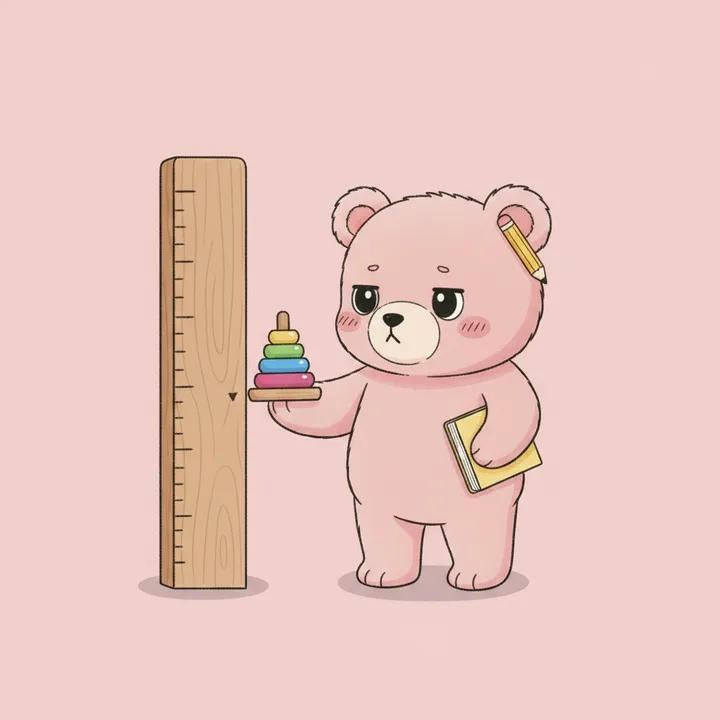
Ludik, the teddy bear mascot, holds a stacking toy up to a growth chart ruler to check the toy's real age fit

Real Age Fit

The age on the box is often marketing. I look at what your child can actually do at that age.

  • The skills it asks for: grabbing, stacking, twisting, following a rule
  • No small parts under age 3, and the choking hazard warning when there are some

Rejected if the box says “Ages 3+” on a game where you need to read.

My guides by age →
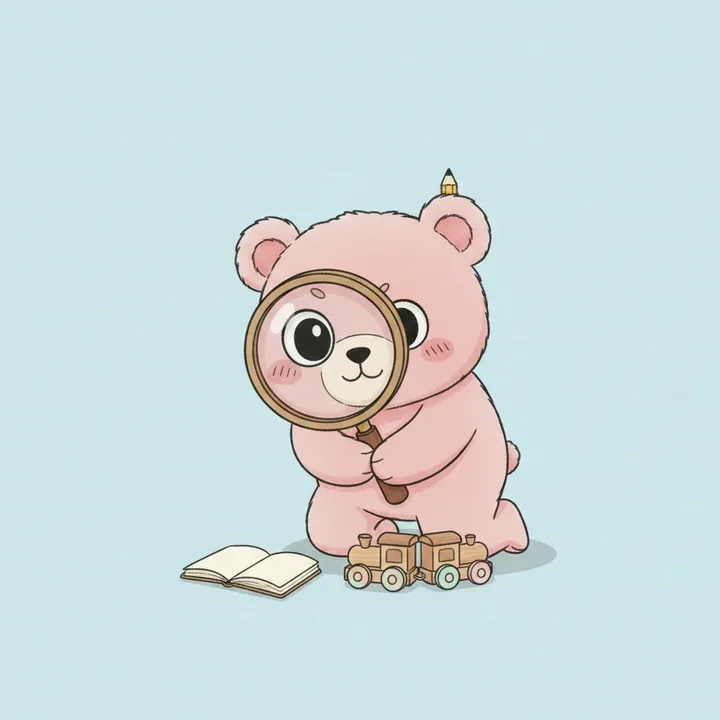
Ludik inspects the materials of a little wooden toy train with a magnifying glass

Materials

I read the spec sheet, not just the pretty photo.

  • U.S. toy safety compliance clearly stated (ASTM F963, CPSC)
  • Solid wood or water-based paint, BPA-free and phthalate-free plastic

Rejected if the materials aren't listed anywhere, or if parents report a chemical smell.

How to read a U.S. toy label →
Ludik stands on a wooden dump truck to test how sturdy and durable the toy is

Durability

A good toy outlasts your kid… and often the next one too.

  • What parents say after several months, not just on unboxing day
  • Solid assembly, batteries you can replace, double stitching on stuffed animals

Rejected if reviews mention it breaking in the first few weeks.

Fewer toys, better play →
Ludik checks a toy's value for money on a balance scale, with a spinning top on one side and coins on the other

Value for Money

I weigh what a toy costs against how long it will really get played with.

Pricey toy, played for 3 weeks a lot per week

Cheaper toy, played for 2 years pennies a week

Rejected if you're mostly paying for the license or the packaging. And when a cheaper version does just as well, I'll point you to it.

How much to spend on toys in a year →

The Ludik Toy Method: 4 Steps to Evaluate a Kids' Toy

1

Sourcing: Casting a Wide Net

Amazon.com best sellers, parent communities (forums, Reddit, Facebook groups), new releases from trusted brands (LEGO, Melissa & Doug, Fisher-Price, Hape, Brio). I start with 100 to 200 candidates per age range.

2

Safety and Materials Filter

Toys sold in the United States must meet the ASTM F963 safety standard (mandatory under CPSC rules) and be third-party tested under the CPSIA. I look for that safety info, an honest age grade and the materials (no phthalates, BPA-free plastic, non-toxic paint). Between 30% and 50% of candidates drop out at this step.

3

Reading Reviews With a Critical Eye

I skip the generic 5-star reviews and read the 3- and 4-star ones: that's where the subtle flaws show up. I also look for reviews posted after 6 months of use, because durability doesn't show when the box is fresh.

4

Hands-On Testing and Write-Up

Some toys I've had in my own hands for weeks or months, and those reviews say so plainly. The others are picks I've researched: safety info, materials, age fit and what real families report. I write the verdict, point out cheaper alternatives and raise red flags when there are any. A toy is only called "tested" when I've actually tested it.

Toy Guide Updates: Every 3 Months, No Exceptions

Every guide gets refreshed at least every 3 months: new toys added, discontinued ones removed, availability checked again. Broken links get fixed and outdated picks get replaced.

🎯 My editorial promise

No brand can buy a spot in a comparison guide. Sponsored content (labeled “Sponsored”) is kept strictly separate and never influences my rankings. How Ludik Toy earns money.

A question about my method? Feedback to share? I'm listening.