Child Development from 3 to 6: Rules and Creativity
The age of boundless curiosity. Between 3 and 6, your child runs, builds, plays in groups and starts to understand social rules. Imagination is at its peak, and role play shapes the way they think.
Three focus areas: advanced fine motor skills (cutting, drawing, beads), first rules (cooperative board games, then competitive ones) and creative projects (painting, crafts, dress-up).
Around 4 or 5, your child can follow simple rules and accept losing. It's the time for first board games (HABA First Orchard, bingo-style games, Memory). Go cooperative first, competitive later.
Top 10 Toys for Ages 3 to 6: My Picks

Magna-Tiles Classic 32-Piece Set
See-through magnetic tiles that click together on their own, so even small hands build walls, towers and garages without frustration. Start with 32, add a bigger set later.

LEGO Classic Large Creative Brick Box 10698
790 bricks in 33 colors, plus wheels and windows: an open-ended box that grows with kids from age 4. Small parts: keep it away from kids under 3.
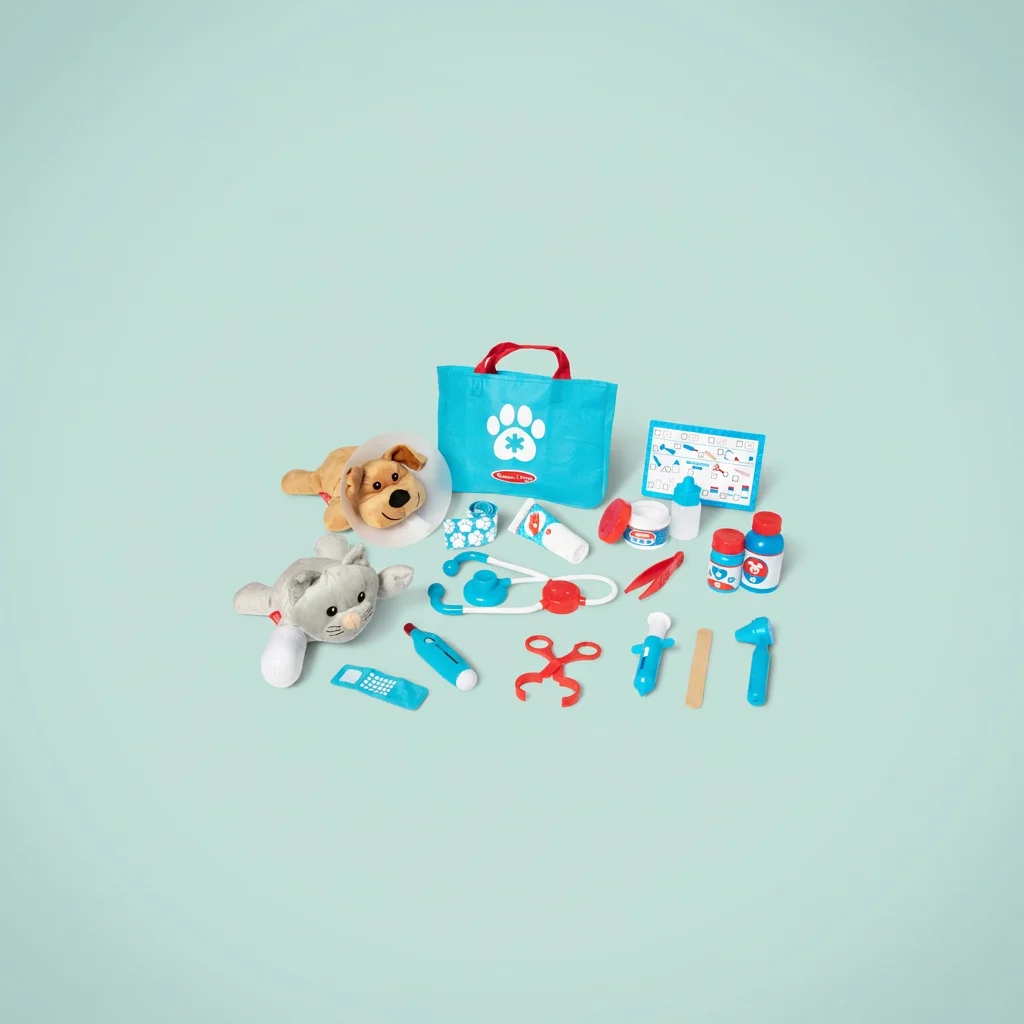
Melissa & Doug Examine and Treat Pet Vet Play Set
A 24-piece vet kit with a plush dog, a plush cat and realistic tools that turns caring for animals into pretend play full of empathy.
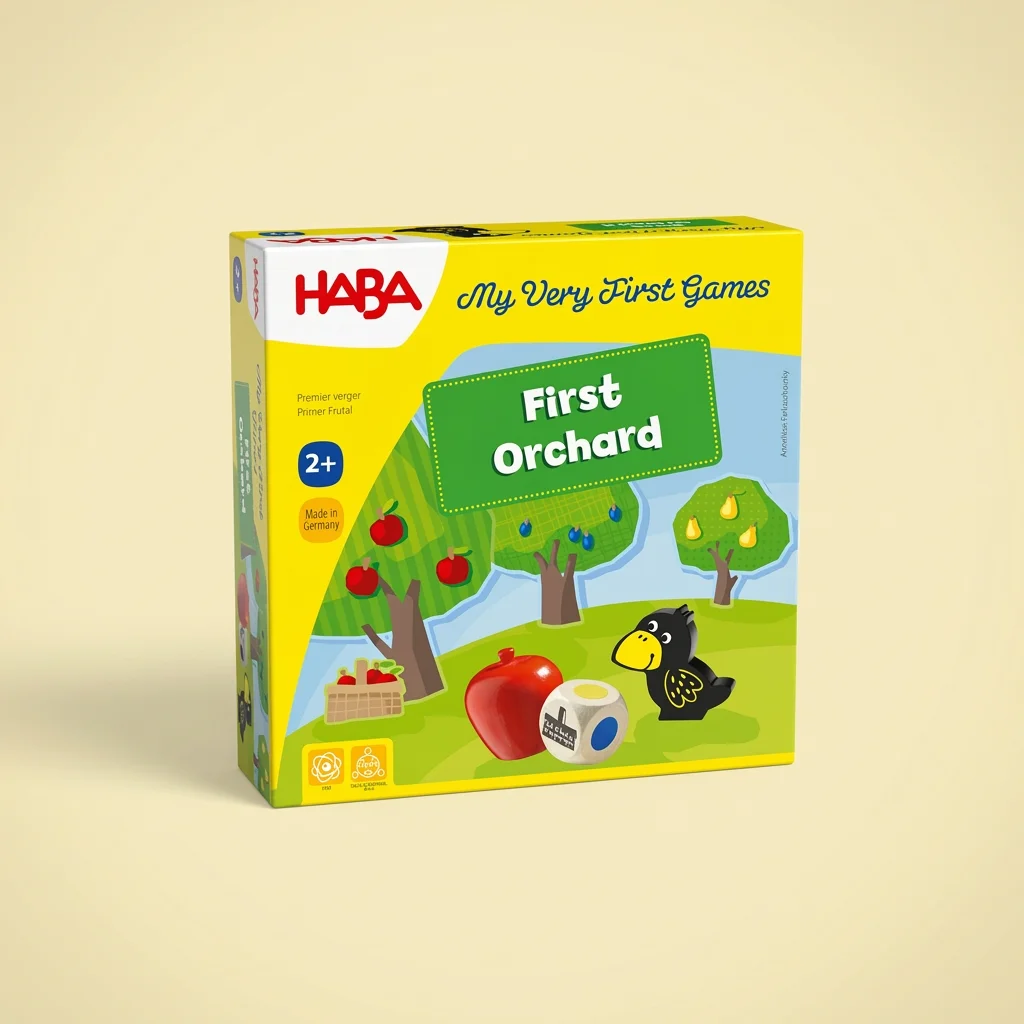
HABA My Very First Games: First Orchard
A cooperative first board game with chunky wooden fruit: everyone wins or loses together against the raven. It teaches colors and taking turns, in games short enough for little ones.

Micro Kickboard Mini 3-Wheel Scooter
A lean-to-steer scooter that helps preschoolers find their balance and coordination. Three wheels for stability, and a helmet from day one.

Play-Doh 22-Pack Ultimate Color Variety
Twenty-two cans of soft, colorful dough for squishing, rolling and sculpting: endless open-ended creativity. Classic Play-Doh contains wheat, good to know for allergies.

BRIO World Travel Switching Set (33512)
A 42-piece wooden railway with switches and a bridge: kids design their own tracks, solve routing puzzles and invent train stories. Works with every BRIO set you add later.

RoyalBaby Freestyle Kids Bike
A sturdy first pedal bike with two hand brakes and removable training wheels. It comes in several wheel sizes: measure your child's inseam before you pick one.

Hama Maxi Fuse Beads Tub
Extra-large fuse beads sized for small fingers: patterns, colors and a great pincer-grip workout. A grown-up does the ironing. Small parts: not for kids under 3.

Ravensburger Disney Color Palette 100-Piece Puzzle
Sturdy pieces and a colorful grid of Disney and Pixar favorites that build patience and visual problem solving. The next step for a 5- or 6-year-old who's mastered 24 to 50 pieces.
Toys for ages 3 and up that contain small parts carry this label: “WARNING: CHOKING HAZARD -- Small parts. Not for children under 3 yrs.” Bricks, beads and puzzle pieces stay out of reach of a baby brother or sister. More in my guide to U.S. toy safety standards.
Toys for Ages 3 to 6 by Type: Building, Creativity, Motor Skills
Building (LEGO, Magna-Tiles, KAPLA)
A classic LEGO box is hard to beat for replay value. Magna-Tiles make visual kids light up. KAPLA planks ask for more patience, and they're excellent for focus and concentration.
Creativity (Painting, Beads, Modeling)
Go for supplies you can refill (Crayola refills, Hama beads, Play-Doh). Skip the “one-and-done” kits that end up in the closet.
Motor Skills (Scooter, Bike, Ball)
Ages 3 to 4: a 3-wheel scooter (Micro Kickboard Mini). Ages 4 to 5: a 12 to 16 inch bike with training wheels. Ages 5 to 6: a 2-wheel scooter, and a bike without training wheels. A helmet every time.
Pretend Play (Dress-Up, Play Kitchens, Garages)
The golden age of dress-up (knight, princess, doctor, firefighter). A good wooden play kitchen easily lasts 3 or 4 years. Schleich animals and Playmobil Junior figures lead to classic Playmobil around age 5.
First Board Games
Cooperative: First Orchard, Hoot Owl Hoot!, Count Your Chickens! Simple competitive: Candy Land, Hi Ho! Cherry-O, Memory, The Sneaky, Snacky Squirrel. Hold off on real strategy games until 6.
Toys to Skip for Ages 3 to 6
- Connected toys with a microphone that record kids' voices (a real privacy question)
- “Science kits” sold for ages 3 to 6 that overpromise (real chemistry starts around 7 or 8)
- Kids' tablets as the default gift (the World Health Organization recommends no more than 1 hour of screen time a day for kids under 5)
- Costumes that look too grown-up too early
Getting Ready for Kindergarten without the Stress: Toys That Help
Lots of parents want to get their child “kindergarten ready” with handwriting workbooks at age 3. I don't recommend it. Preschool and kindergarten teach writing; at home, toys are there to build fine motor skills and the joy of using their hands.
What really helps:
- Hands-on toys (beads, play dough, cutting with safety scissors) for the thumb-and-finger pincer grip
- 24 to 50 piece puzzles for focus
- Picture books read aloud every night (vocabulary, attention)
- Short board games to practice waiting their turn
Toys for Ages 3 to 6: FAQ
What's a good toy for a 4-year-old who gets bored fast?
Bet on open-ended toys (high replay value): LEGO Classic, Magna-Tiles, refillable art supplies, figures to make up stories with. The more a toy does just one thing, the faster kids drop it.
At what age do kids move from DUPLO to regular LEGO?
Around 4 or 5, once the pincer grip is precise and your child no longer puts things in their mouth. You can mix both for 6 to 12 months to ease the switch: DUPLO bricks click onto classic LEGO.
Are Montessori kits worth it at this age?
Less clear-cut than at 1 to 3. Plenty of “Montessori kits for ages 3 to 6” are empty marketing. Go for REAL learning materials (sandpaper letters, golden beads) or simple wooden toys instead.